
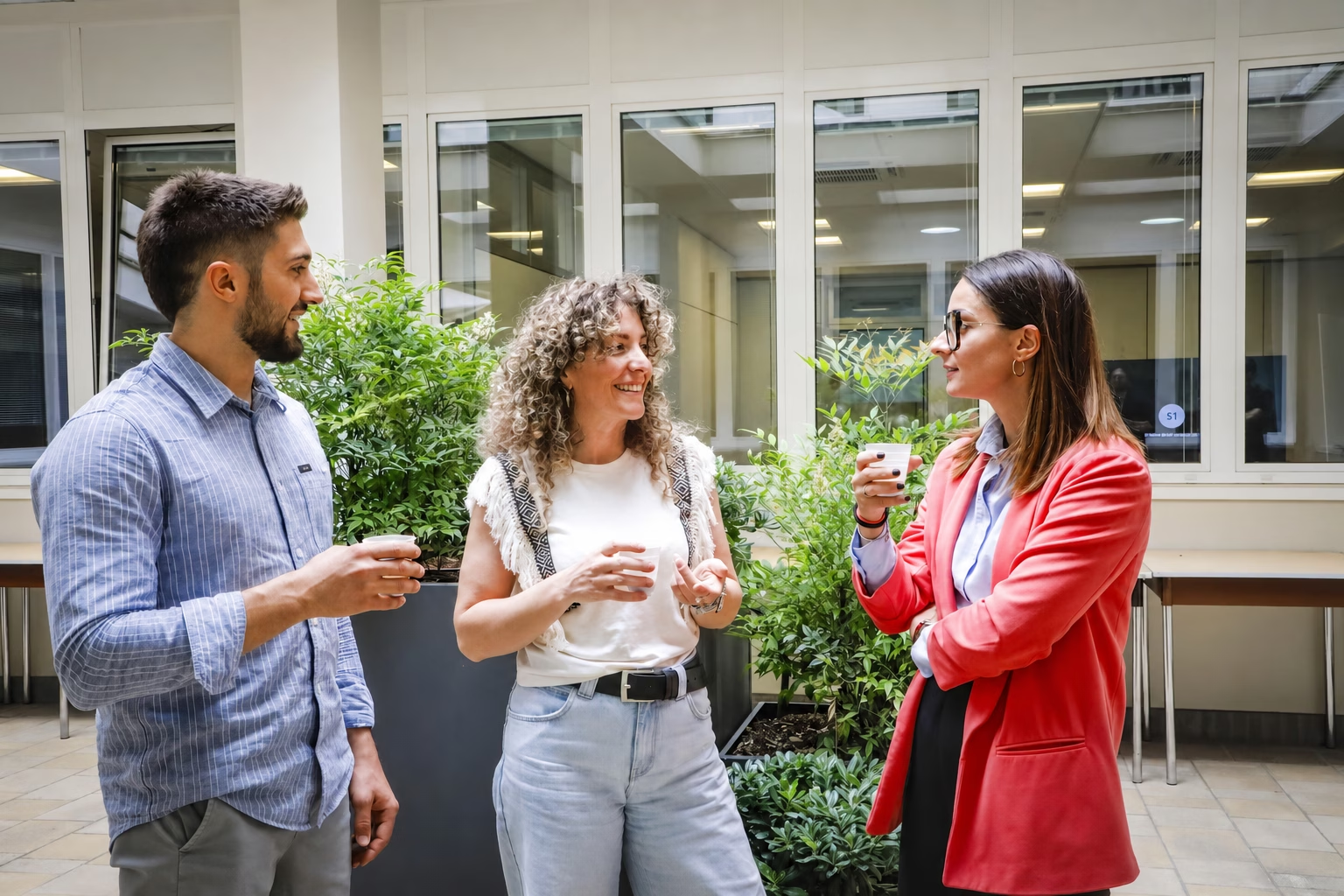
We talk about sustainability and customer care, in a journey of collaboration and co-design that puts people’s safety and health at the centre, through tools for checking and certifying the final product and through knowledge and awareness of the supply chain.
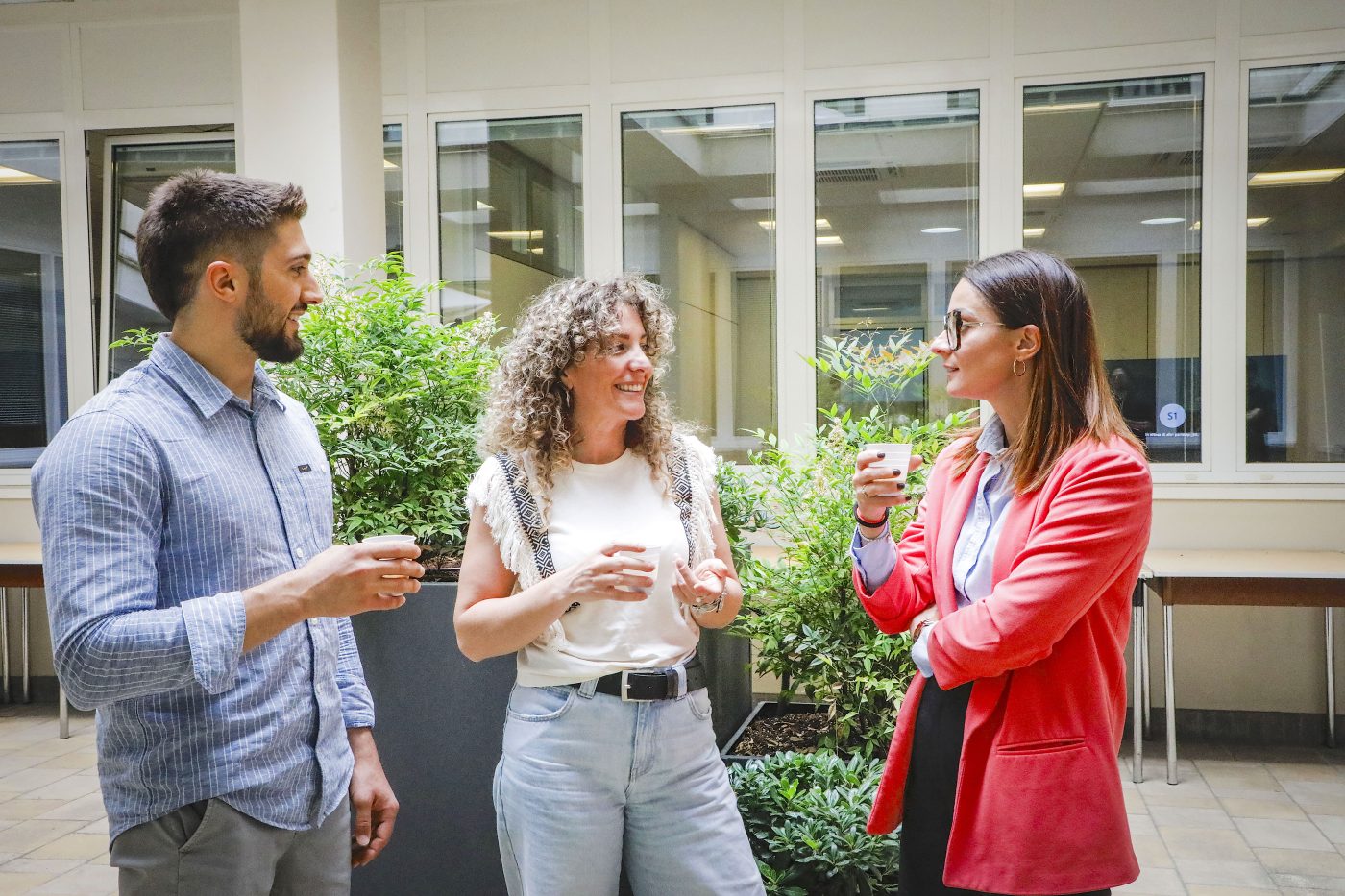
Carlotta Pinghini: So, Myriam, where shall we start? Let’s talk a bit about how you see sustainability for food service and food companies like yours.
Myriam Finocchiaro: Working together towards shared goals is the only way to really manage to change something. I think this matters from the field, through the cowshed and the factory, all the way to the tables of so many people who ask for food that is healthy and fair, food that respects sustainability.
Carlotta Pinghini: What we need to try to do is raise awareness now, in order to lay the foundations for a more sustainable future. What do you do at Granarolo to try to create this co-design?
Myriam Finocchiaro: First of all, we work with our dairy farmers, who are the cornerstone around which we revolve. We have a cooperative structure: there are 503 farmers in 11 Italian regions, so quite a significant number, and they supply milk to the group’s 15 plants in Italy. We always say that we process local milk, and this also makes a difference in terms of sustainability, because milk is a living food, a food that needs care during production, transport and processing.
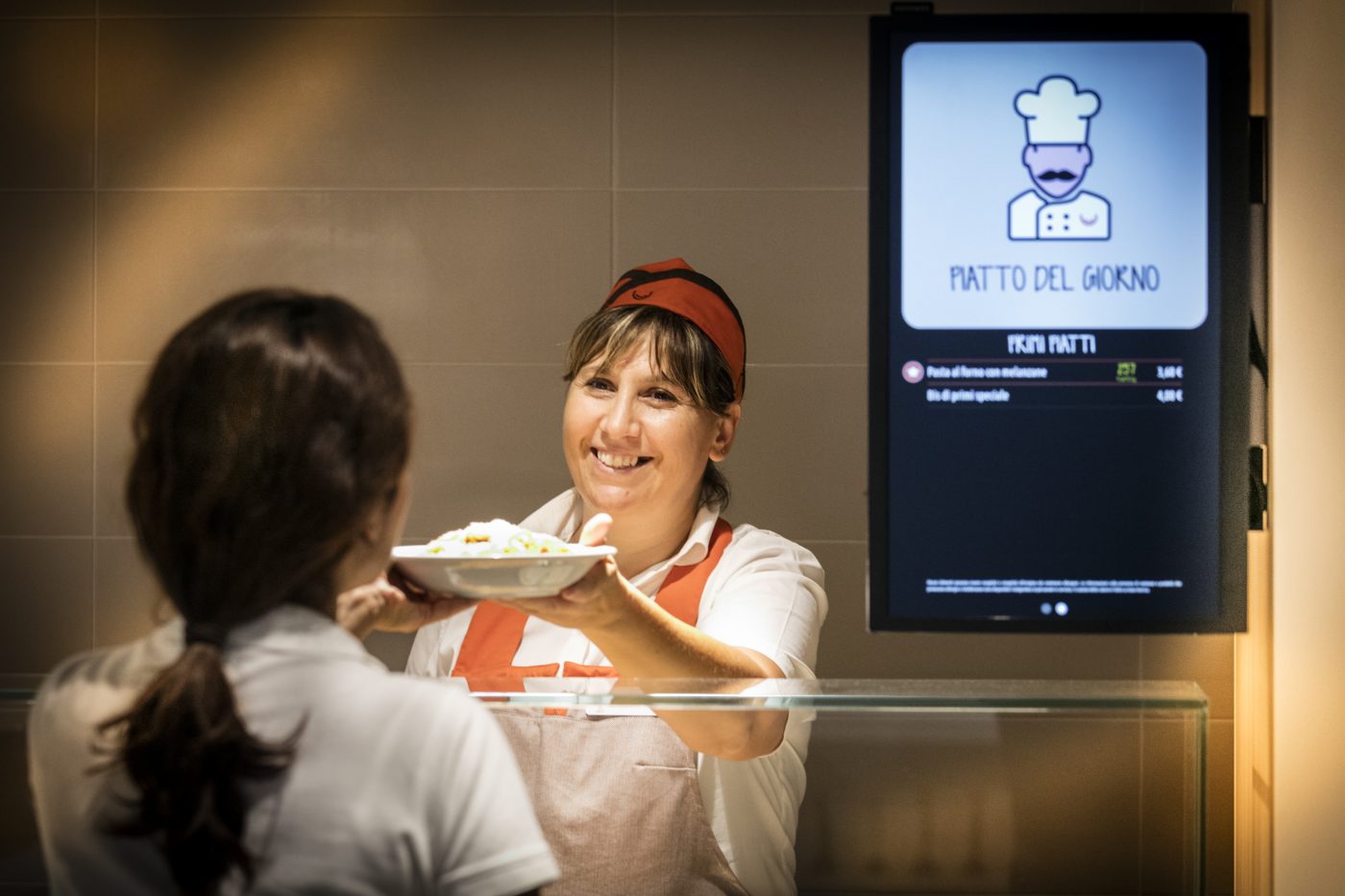
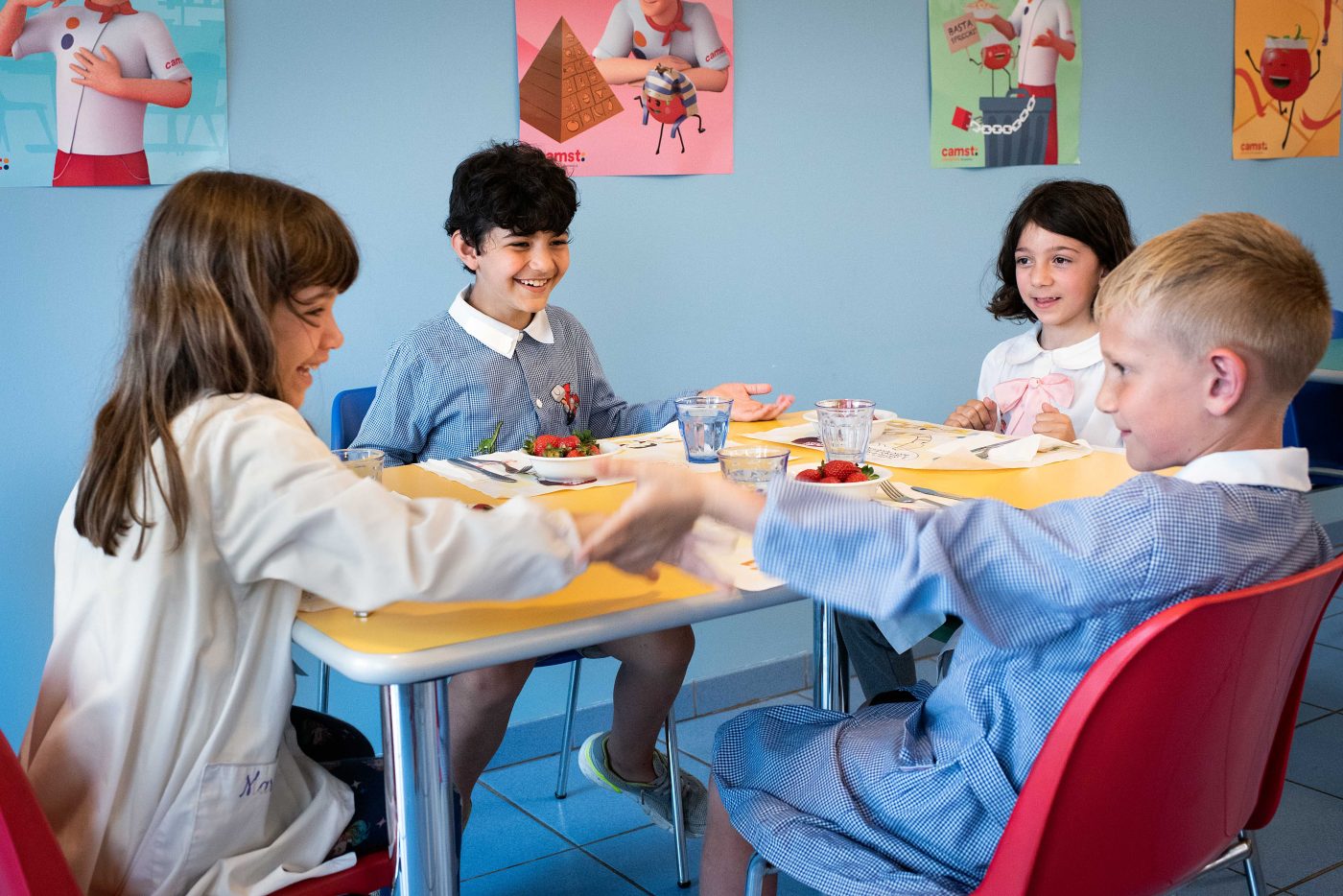
Carlotta Pinghini: There is also the idea of meeting the specific needs of the people we serve, making them aware that they need a particular diet that also meets, for example, health needs – so also a form of food inclusion. At Camst, for example, we are very attached to our food education projects, which allow us to co-design with our commercial partners. In our case the end users are children and schools, so there is a collaborative relationship with teachers and families, in which we build a partnership with our nutritionists and dietitians, not only to offer them a certain kind of diet, but also to make them aware of, for example, the seasonality of products, so that in the future they know that the actions they take now – eating certain products at one time of year rather than another – really matter. We let them experience it first-hand, and this lays the foundations for what we all hope will be a more sustainable future.
Myriam Finocchiaro: Making end consumers, whether children or adults, aware of what lies behind a product is essential: what lies behind it in terms of effort, quality, the pursuit of quality and, in our case, the welfare of the animals is fundamental. Of course, certifications are also an important way to confirm this information to consumers, and together we need to find new ways to communicate it.
Carlotta Pinghini: Also because everything starts from listening to the customer, so getting their feedback helps us more in this respect. I think it’s very important to start from that, because there is always a need behind it. For example, we use software called DB Tender, which communicates with the customer and, through their feedback, helps us manage raw materials better – for us that is an everyday issue that requires a great deal of attention, and I believe that, looking ahead, it is really one of the most important things to bear in mind.
Myriam Finocchiaro: I completely agree: we both make proximity a fundamental aspect. Proximity also means guaranteeing very fast processing times – within 24 hours the milk reaches consumers’ tables, whether children or adults. It is also a way to enhance the areas where we are based, in our case from an agricultural point of view too. Being present in an area from an agricultural point of view also means ensuring the continuity and improvement of the area itself and taking care of it.
Carlotta Pinghini: For the future, I think the most important thing is to keep working together as we have done so far, but also to co-design a future together, sharing resources as well as tools, practices and advice, for example, to make what we are doing now a solid foundation for a sustainable future.
Myriam Finocchiaro: Camst and Granarola share a long history. We are united by values, and today also by the desire to respond more effectively to the needs that consumers express – more and more every day, as it happens. I believe that the opportunity to co-design products together is an effective way to be on our consumers’ tables, co-designing with an eye on taste on the one hand, because that is dispensable, and on sustainability on the other, because today it is a duty we owe to our consumers, young and old.
Carlotta Pinghini: I look forward to seeing you for a sustainable lunch.
Myriam Finocchiaro: Absolutely, I’ll be there.